Hyaluronic Acid Injections for OA
I believe in choice and guidance Very often a patient enters my clinic having already done extensive research on what type of injection therapy they…
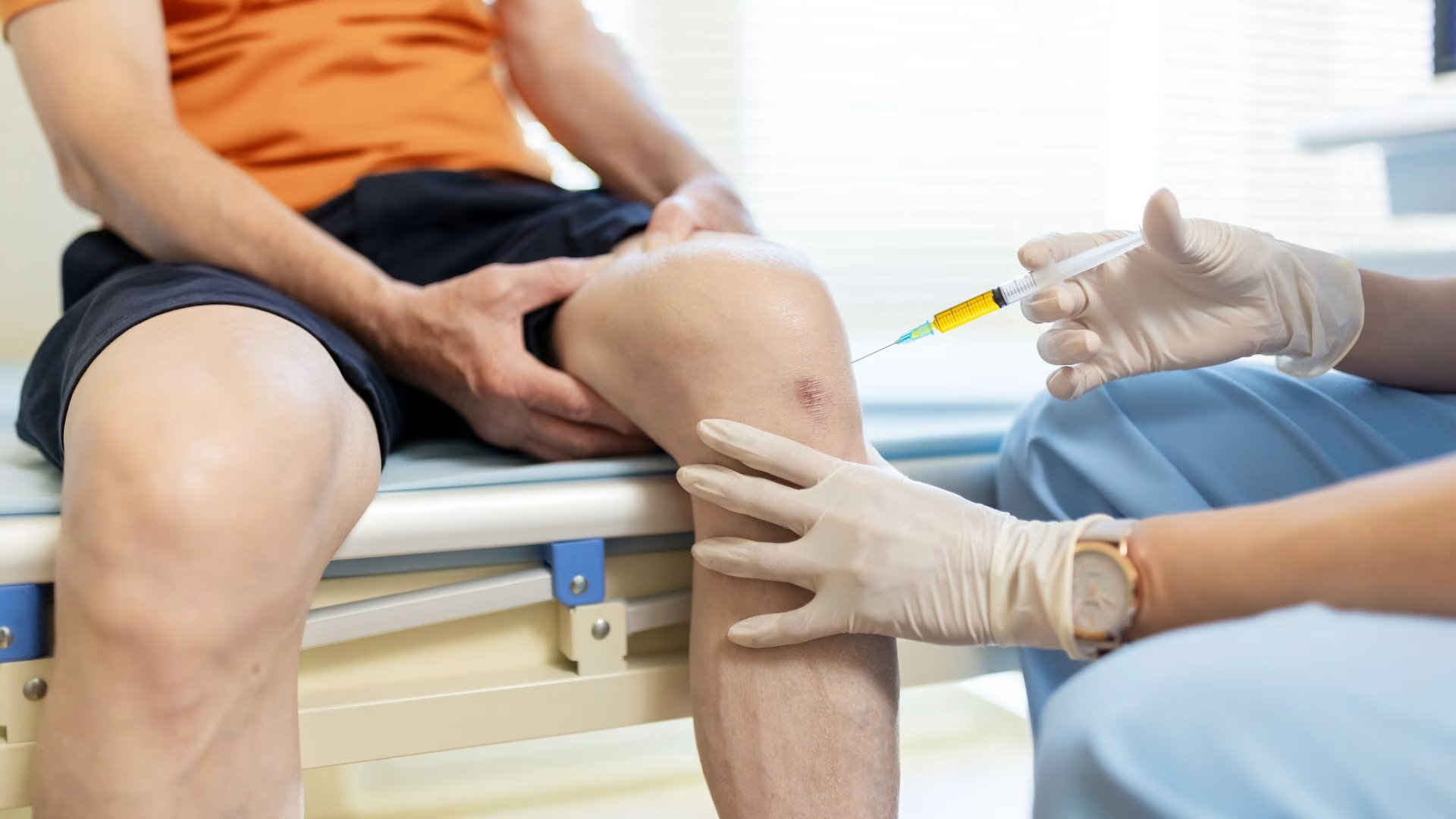
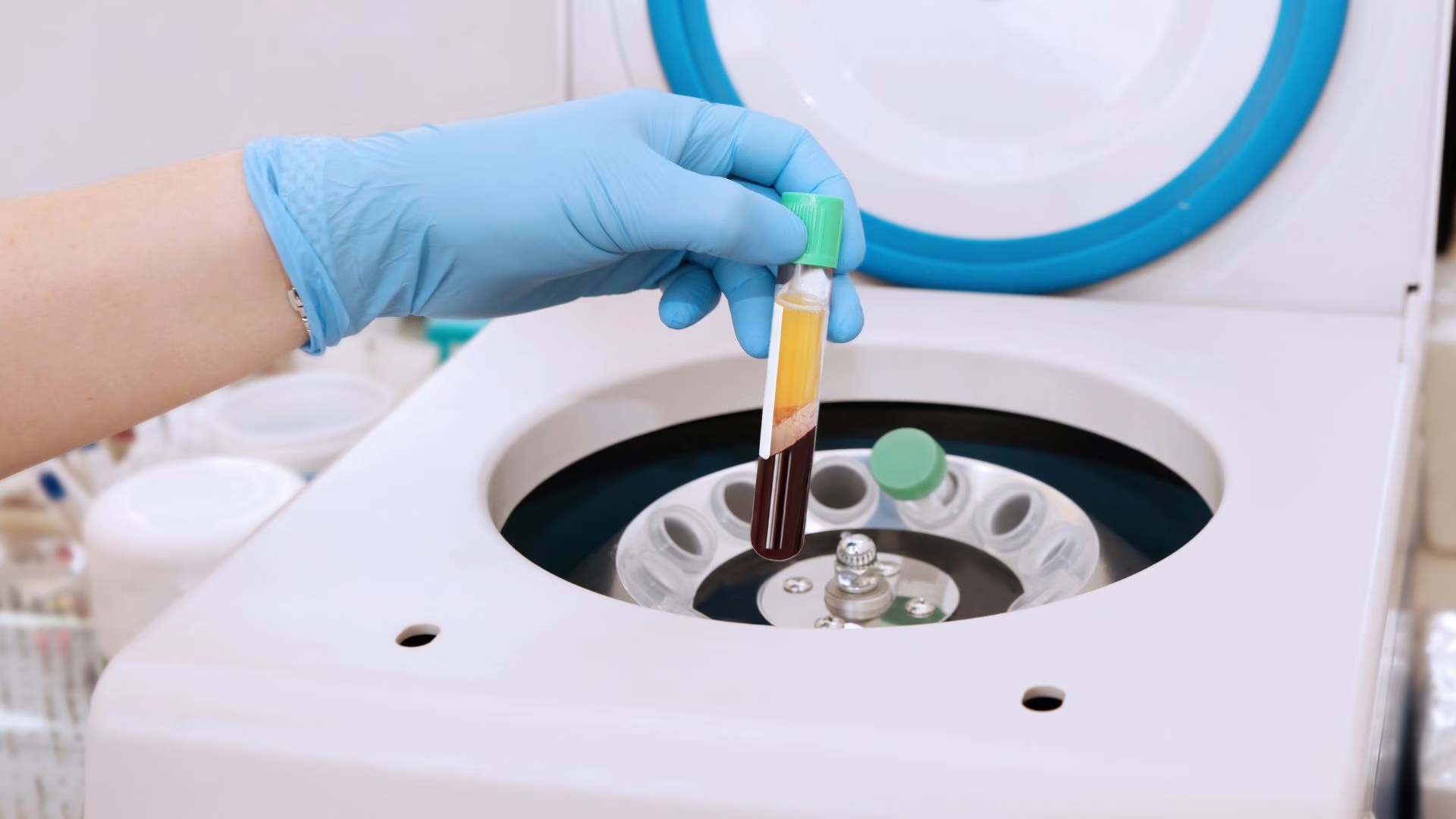
Platelet rich plasma injections have been used in mainstream orthopaedic and musculoskeletal practice for several years now. The treatment involves taking blood from a patient (Venipuncture), the amount of blood draw depends largely on the type or manufacturer of the PRP equipment used but generally ranges from 10ml-90ml. The patients blood is then spun in a centrifuge which results in the separation of the platelets, plasma and the red and white blood cells into distinctive layers. The plasma which is rich in platelets ie platelet rich plasma is then taken and injected either into a Arthritic joint or a pathological tendon ideally under ultrasound guidance.
Why platelets one may ask, why dont we just inject the entire blood sample? Well the answer lies in science. White blood cells are generally pro-inflammatory and tend to promote apoptosis and cell death while platelets release many growth factors and cytokines which reduce inflammation and promote healing. Platelet rich plasma is used in wound healing, orthopaedics, cosmetics and maxillofacial medicine to name a few. We also know now from various studies that Corticosteroids especially when injected multiple times into joints are toxic to articular cartilage and can further damage or accelerate arthritis.
There are numerous studies which suggest having a steroid injection into a arthritic joint greatly increases the likelihood of having a joint replacement in the future. As corticosteroids are drugs there are also minor risks and potential drug interactions which need to be considered. As with platelet rich plasma we are injecting your own platelets none of these risks apply however many patients do get a flare of pain for a few days post Injection. There are many false claims and misleading pieces of PRP available online which may be written to bend patients exceptions of the treatment. PRP does not regrow cartilage and we do not currently have the supporting evidence to say that it slows or in early cases of arthritis reverses it however we do have the evidence to show that PRP can provide up to 12 months of statistically significant relief in pain and stiffness and improvement in quality of life particularly in those with Knee Arthritis. It is a safe and well tolerated treatment and in many instances costs are equivalent to for example Durolane or Monovisc Hyaluronic acid injections. The important thing to remember with platelet rich plasma is dose matters.
Just like if you sprained your ankle if you took 40mg of Ibuprofen this would have no effect you would need to take 400mg to reduce pain and inflammation. Similarly with PRP the dose of PRP we provide matters. We know that injecting anything less than 4x Whole blood concentration of platelets offers little therapeutic effect, we need to provide a huge dose ideally >5 x the whole blood concentration to release the growth factors and cytokines needed to achieve the desired therapeutic effect. For this reason at the Arthritis Clinic we use Tropocells system, this system offers a sterile and easy process of drawing blood leaving our patients comfortable during the process. The technology allows us to regularly achieve high doses of platelets in the preparation for our injections providing the highest change of benefit for our patients. If you would like any further information regarding this treatment or for us to share any evidence relating to its efficacy do not hesitate to contact us.